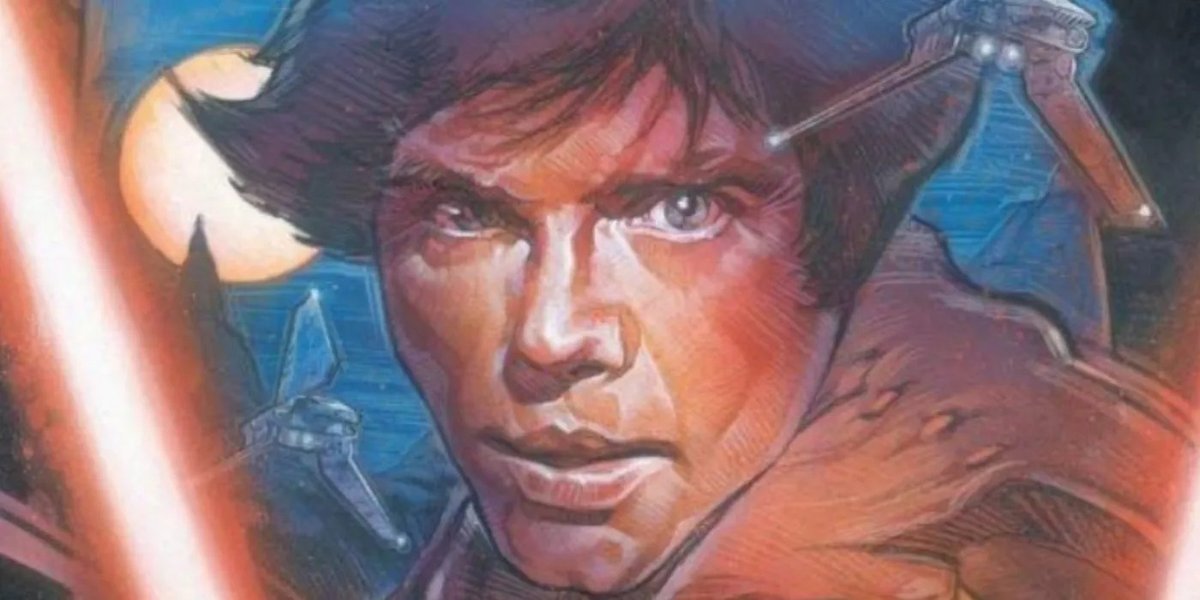
The allure of a great story often extends far beyond its initial telling. When we talk about the 'Expanded Universe: Comics, Games, and Their Place in the Lore', we’re not just discussing supplementary material; we’re diving into a deliberate, intricate tapestry woven by creators and fans alike, profoundly enriching and often shaping the foundational narratives we cherish. These extensions aren't mere afterthoughts; they are vital arteries pumping new lifeblood into beloved worlds, offering deeper context, untold adventures, and fresh perspectives that transform a simple story into a vast, living universe.
At a Glance: Diving into the Expanded Universe
- What it is: A collection of officially licensed stories and media (comics, video games, novels, etc.) that build upon an existing fictional world.
- Why it matters: It enriches character backstories, explores unexplored timelines, and offers new angles on established conflicts.
- Canon vs. Legends: Distinguishes between stories officially part of the main continuity ("canon") and those deemed non-canonical ("Legends" or similar designations), often based on IP owner decisions.
- Shaping the Original: Expanded Universe (EU) content often tests ideas, influences future primary narratives, and sometimes even becomes integral to the main storyline.
- Fan Impact: Fulfills fan desires for more content, fosters deeper engagement, and builds vibrant communities around shared lore.
Beyond the Screen: What is an Expanded Universe, Really?
Imagine a popular film or game. You finish it, and you’re left wanting more. An Expanded Universe steps in to satisfy that hunger, but it's far more than just "more stuff." It's a cohesive — or at least aspiring to be cohesive — collection of stories, characters, and events that exist outside the primary medium but are recognized as legitimate parts of the fictional world. This might mean delving into a character's childhood, exploring events preceding or following the main narrative, or even telling entirely new stories in distant corners of the universe.
The magic of an EU lies in its ability to take a compelling core and radiate outwards, painting a richer, more detailed picture. Think of a massive, ancient tree: the films or main games are the trunk and major branches, while the comics, novels, and supplementary games are the countless leaves, twigs, and roots, all contributing to the tree's overall health and grandeur. This collaborative storytelling often spans decades, involving numerous writers, artists, and game developers, all working to uphold a vision.
The Genesis of Lore: How Comics and Games Kickstarted Worlds
Long before cinematic universes became common parlance, comics and games were pioneering the concept of shared, expanding narratives. They weren't just adaptations; they were expansions. Take the early days of Star Wars, for instance. While George Lucas's films laid the foundation, it was Marvel Comics in the late 70s and early 80s that first explored the post-Episode IV galaxy in depth, introducing new characters, planets, and threats that weren't seen on screen. These comics filled the void between films, keeping the universe alive and vibrant in the imaginations of fans.
Video games, too, quickly became powerful tools for lore expansion. Games like Star Wars: Knights of the Old Republic didn't just retell movie plots; they ventured thousands of years into the past, crafting an entire era of galactic history previously only hinted at. They allowed players to directly inhabit these worlds, making choices that felt consequential, experiencing the lore firsthand rather than merely observing it.
Each medium brought its unique strengths to the table:
- Comics offered a relatively fast, visually rich way to tell serialized stories, explore character backstories, and introduce new factions without the immense budget of live-action. They could bridge gaps, explain unanswered questions, and develop minor characters into fan favorites.
- Games provided unprecedented immersion and agency. Players weren't just passive consumers; they were active participants, making decisions that influenced the narrative, exploring vast digital landscapes, and often experiencing events from unique perspectives that films or books couldn't capture. The depth of lore in games, from environmental storytelling to character dialogue, can be astounding.
These early forays proved that stories didn't have to be confined to a single format. They could breathe and grow across different canvases, creating a more comprehensive and engaging experience for those eager to delve deeper.
Canon vs. Legends: Navigating the Great Divide
One of the most significant and often contentious aspects of an Expanded Universe is the concept of "canon." Simply put, "canon" refers to the body of works officially considered part of the primary storyline and continuity. Everything else is typically designated as non-canon, or, as Star Wars famously dubbed it after Disney's acquisition, "Legends."
The distinction is crucial for both creators and fans. For creators, canon provides a fixed framework—a set of established truths that new stories must respect. This prevents contradictions and maintains narrative integrity. For fans, canon offers a definitive version of events, ensuring that the stories they invest in are "real" within that universe.
However, the line can shift, often dramatically. When a new owner acquires an intellectual property (IP), or when the original creators decide to streamline a sprawling narrative, portions of the EU might be reclassified. The Star Wars example is perhaps the most famous: decades of comics, novels, and games were re-designated as "Legends" to make way for a new, cohesive canon spearheaded by Disney. This decision, while necessary for new creators, deeply impacted fans who had invested years in those stories.
This shift highlights a fundamental truth about EUs: they are ultimately subject to the whims of IP holders. While fan engagement and loyalty are paramount, the ultimate decision on what "counts" often rests with a central authority. Understanding this dynamic is key to appreciating the nature of an EU. It means enjoying stories for their own sake, regardless of their canon status, or understanding which threads still inform the official narrative, much like untangling the various timelines and continuities that make up the Alien vs Predator film order for some viewers.
More Than Just Spin-Offs: The Role of EU in Core Narrative Development
It’s easy to dismiss EU content as mere spin-offs, secondary to the "main" story. But this often undersells its true impact. An Expanded Universe frequently serves as a fertile testing ground for ideas, characters, and concepts that may eventually find their way into the primary canon.
Consider how many elements from Star Wars Legends (the former EU) have been reinterpreted or reintroduced into the new Disney canon. Iconic ship designs, character names, or even entire plot points initially developed in books or games have been dusted off and adapted for new films and TV series. This isn't just a nod to fans; it's a practical way for creators to gauge audience reception, explore narrative potential, and build upon a rich foundation of existing creativity.
Moreover, in some franchises, the EU is the main story. Many long-running comic book series, for example, have decades of continuity that form the core narrative for their characters, with films or TV shows often drawing inspiration from or offering alternative takes on those established storylines. For properties like Warhammer 40,000 or Dungeons & Dragons, the games and novels define the universe as much as—if not more than—any single, central narrative.
This symbiotic relationship demonstrates that an EU is far from inconsequential. It's a dynamic ecosystem where creativity flourishes, feedback loops inform development, and what starts as an "expansion" can eventually become an indispensable part of the core narrative.
Crafting Cohesion: Challenges and Best Practices for Lore Masters
Managing an Expanded Universe, especially one spanning multiple mediums and decades, is an immense undertaking. It's like herding cats across a continent while ensuring every cat wears the exact same hat. The challenges are numerous:
- Maintaining Consistency: With many writers and artists contributing over time, keeping all facts, character traits, and technological details consistent is a monumental task. Small contradictions can snowball into major lore headaches.
- Avoiding Contradictions: What happens in a comic series must not directly contradict a game’s storyline, and vice versa. This requires meticulous planning and communication.
- Managing Fan Expectations: Fans are often deeply invested in the lore and quickly spot inconsistencies or perceived missteps, making communication about canon changes or creative decisions critical.
- Sheer Volume: As an EU grows, the sheer amount of material becomes overwhelming, making it difficult for new creators (and new fans) to grasp the full scope.
- Balancing Creative Freedom: Writers need room to innovate, but within the established boundaries of the universe. Too rigid, and stories become stale; too loose, and continuity breaks down.
To tackle these challenges, "lore masters" or "story groups" employ several best practices: - The "Lore Bible" or "Holocron": A centralized, meticulously detailed database that documents every character, event, technology, and rule within the universe. This "bible" acts as the ultimate reference point for all creators. Star Wars famously has its own "Holocron" database, illustrating this point perfectly.
- Dedicated Story Groups: Teams specifically tasked with overseeing continuity across all media. They act as arbiters, ensuring new projects fit within the established framework and resolving potential conflicts.
- Clear Communication Channels: Regular meetings, shared documents, and direct lines of communication between writers, game developers, comic artists, and film producers are essential.
- Embracing Retcons (Gracefully): Sometimes, inconsistencies are unavoidable or a new creative direction demands a change. When a "retcon" (retroactive continuity) is necessary, the best approach is to acknowledge it, explain the reasoning if possible, and integrate it smoothly into the lore.
Ultimately, successful EU management isn't about perfect consistency—it's about achieving a believable, immersive experience for the audience, even when the narrative stretches across vast distances and different forms of media.
From Pixels to Pages: The Journey of a Story Across Media
The relationship between games and comics within an Expanded Universe is often bidirectional and incredibly fruitful. It's a journey where stories can begin in one medium and seamlessly migrate to another, deepening their impact and reaching new audiences.
Take, for instance, a popular video game that builds a rich world. Its success often leads to tie-in comics that explore events happening concurrently with the game, delve into the backstory of a side character, or even set up future game installments. These comics can expand on dialogue, provide internal monologues that games rarely offer, and present stunning artwork that complements the game's aesthetic. They allow for a more controlled, linear narrative that might be difficult to achieve in an interactive medium.
Conversely, a beloved comic series can inspire a video game. This game might allow players to inhabit the roles of their favorite characters, explore locations they've only seen in panels, or experience pivotal moments from a new, interactive perspective. These adaptations often face the challenge of translating a fixed narrative into a playable experience, requiring careful design choices to maintain fidelity to the source material while offering engaging gameplay.
The beauty of this cross-pollination lies in the unique strengths each medium brings:
- Games offer unparalleled immersion, player agency, and the thrill of direct interaction with the world. They allow for exploration, puzzle-solving, and decision-making that influences the narrative path, albeit often within carefully designed constraints.
- Comics excel at visual storytelling, character expression, and the careful pacing of a narrative. They can convey complex emotional states through sequential art and text, often with a unique stylistic flair.
Together, these mediums create a holistic experience. A game might give you the visceral experience of fighting on a battlefield, while a comic might show you the personal toll of that battle on a specific soldier. This layered approach ensures that fans get a more complete and multifaceted understanding of the universe, offering different ways to engage with the story, much like dissecting the varying narrative threads across the entire Alien vs Predator film order to piece together the full picture of that iconic struggle.
Common Misconceptions About the Expanded Universe
Despite their prevalence, Expanded Universes are still subject to several common misunderstandings:
- "It's all just fan fiction." While an EU is by nature an extension of existing lore, it is decidedly not fan fiction. EU content is officially licensed, professionally produced, and developed by writers, artists, and developers authorized by the IP owner. It often adheres to strict guidelines and is part of a deliberate creative strategy, unlike unauthorized fan works.
- "It doesn't matter; only the movies/main series count." This couldn't be further from the truth. As discussed, EU content often influences, informs, and even becomes integrated into the main canon. Even when designated as "Legends," these stories frequently shape fan understanding and expectations, creating a rich cultural backdrop that fuels discussion and future creative endeavors. For many dedicated fans, the EU is the core of their experience.
- "It's only for hardcore fans." While hardcore fans certainly dive deepest, many EU products are designed to be accessible entry points. A compelling comic series can be a great way to introduce someone to a universe without requiring them to watch dozens of films or play hundreds of hours of games. Many games act as standalone stories, only requiring a passing familiarity with the broader lore.
- "It's static; what's written is set in stone forever." EUs are living, evolving entities. Retcons happen, new creative directions emerge, and the definition of canon can shift. This dynamic nature is part of the challenge and excitement of following an EU.
The Fan's Perspective: Why We Dive Deeper
For fans, the Expanded Universe is a treasure trove. It's where curiosity is satisfied, favorite characters get more screen time (or page time), and the worlds we love gain incredible depth. Why do we delve so deeply?
- Hunger for More: A great story leaves you wanting more. The EU provides that fix, offering unlimited adventures within familiar settings.
- Deeper Connection: By exploring backstories, side plots, and the minutiae of a world, fans forge a stronger, more intimate connection with the characters and their struggles. We see them in new lights, face new challenges, and grow in unexpected ways.
- Filling in the Gaps: The primary narratives often leave tantalizing questions unanswered. The EU is where those questions are explored, secrets are revealed, and the true scope of a universe begins to emerge.
- Community and Discussion: Following an EU is a shared experience. Discussing theories, debating canon, and celebrating new releases within fan communities builds camaraderie and strengthens the bond with the fictional world.
- The Joy of Discovery: Uncovering a hidden gem in a comic, finding a new favorite character in a game, or piecing together a complex timeline—these moments of discovery are incredibly rewarding for dedicated fans.
The EU allows us to truly live in these worlds, not just visit them occasionally. It transforms a narrative from a one-way experience into a vast, interactive landscape of shared stories and limitless potential.
Your Guide to Exploring a World Beyond the Main Story
Ready to venture beyond the primary narratives and explore the rich tapestry of an Expanded Universe? Here's how to navigate the vastness:
- Start with What You Love: If you adore a particular character, faction, or time period from the main story, seek out EU content focused on them. Many franchises have "essential reading/playing" lists curated for specific interests.
- Pick a Medium: Do you prefer comics for their visual storytelling, games for their interactivity, or novels for their deep dives into internal thoughts? Choose the medium that resonates most with your reading or playing style.
- Check for Entry Points: Don't feel you need to read every single comic or play every game. Many EU series are designed to be standalone or offer clear starting points. Look for "Volume 1" of a comic series, or a game that doesn't require extensive prior knowledge.
- Understand the Canon Status (But Don't Obsess): It's helpful to know if a story is considered "canon" or "Legends" (or similar terminology for other IPs). However, don't let a "non-canon" label deter you. A great story is a great story, regardless of its official status. Many "Legends" tales are just as beloved and influential as their canonical counterparts, and understanding them provides crucial context for newer works, similar to how different continuities shape the overall understanding of the Alien vs Predator film order.
- Engage with Communities: Online forums, fan wikis, and social media groups are invaluable resources. They can offer recommendations, help clarify lore points, and connect you with fellow enthusiasts.
- Be Open to New Perspectives: The beauty of an EU is its ability to offer different takes on familiar elements. A character you thought you knew might be portrayed differently in a comic, or a historical event might have new details revealed in a game. Embrace these diverse angles as they enrich the overall universe.
Looking Ahead: The Future of Expanded Universes
The concept of the Expanded Universe is not just enduring; it's thriving and evolving. In an age where transmedia storytelling is king, and digital platforms offer unprecedented ways to deliver content, EUs are only set to grow in complexity and reach.
Future EUs will likely see even tighter integration between different forms of media, perhaps with stories that explicitly jump from a game to a comic and then to a novel, each offering a distinct but cohesive part of the narrative puzzle. Virtual reality and augmented reality experiences could offer even deeper immersion, blurring the lines between game, story, and personal experience.
The relationship between creators and fans will also continue to evolve. With social media and direct communication channels, fan feedback can directly influence future EU content, fostering a more collaborative storytelling environment. The enduring power of these shared stories lies in their ability to continually reinvent themselves, drawing new generations into vast, intricate worlds that feel as real and expansive as our own. The Expanded Universe isn't just a collection of extra stories; it's a testament to humanity's boundless imagination and our insatiable desire to explore, understand, and connect with the narratives that captivate us.